
Introduction
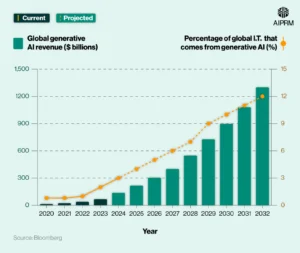
In 2025, the conversation around AI not just as a tool but as a source of income is no longer fringe — it’s becoming mainstream. From creators leveraging generative AI to build digital products to developers building micro‑apps and agents, the monetization landscape is evolving quickly. If you want to tap into the AI gold rush, you need to know the hottest models, pitfalls, and strategies. This long-form article will unpack the biggest AI trends right now that are enabling people and businesses to generate real revenue.
1. AI Marketplaces & GPT Stores: The New App Stores for Intelligence
One of the most talked‑about shifts is the rise of AI-specific marketplaces where developers can publish, distribute, and monetize their custom AI models or “GPTs.” Affinex.AI
-
GPT Store (OpenAI) is a flagship example: users can build specialized GPT agents and list them for free or paid use.
-
Platforms like Hugging Face Spaces or Stability AI’s ecosystem are also adopting this marketplace model, letting creators reach audiences and earn revenue through subscriptions, one‑time purchases, or upgrade tiers.
-
This model helps smaller developers gain exposure without competing directly with giant AI models.
Why it matters: You can build a niche GPT (for exam prep, local business advice, etc.) and list it in a store where users pay or subscribe. It’s akin to how indie developers list games or mobile apps.
2. AI-Generated Video as a Service (VaaS)
Video content has always commanded premium rates, and now AI is lowering the barrier for video production. Reelmind
-
Tools let you convert scripts or prompts into short videos with visuals, voiceover, and animation.
-
Service providers package this as VaaS (Video as a Service). Think: “I’ll create promo videos, intros, or social clips using AI for clients.”
-
Because AI can process many jobs concurrently, providers can scale faster than traditional video studios.
Opportunity tip: Focus on narrow niches (e.g. real estate, e-commerce product reels) to stand out.
3. Subscription & Usage-Based AI Models
Monetization is shifting from flat fees to more flexible and scalable pricing structures. Knowledge Sourcing+1
-
Pay‑per-use / consumption models: Users pay based on how much they call the API or run the service (e.g. per image generated, per transaction).
-
Tiered subscriptions: Free/basic tier + premium tiers with advanced features, faster processing, higher limits.
-
The “freemium → paid upgrade” model is especially popular for AI tools.
-
Many AI builders are still struggling with pricing strategy: about 29% bundle AI features for free, 24% charge premium, and 11% are still experimenting. Chargebee
Pro tip: Use usage-based pricing to make your offering accessible to light users, but monetize the heavy users.
4. API (AI Modules) & Microservices
Instead of building full products, developers increasingly offer modular AI features via APIs: image recognition, sentiment analysis, voice cloning, etc. Knowledge Sourcing
-
Other apps and developers integrate these microservices, paying per call.
-
It reduces the need for full-stack development while tapping into broader demand.
-
You can focus only on a specialty (e.g. OCR, face style transfer) and monetize it.
5. Licensing Content to AI & Interactive Ads
As AI models consume massive amounts of content, content licensing is becoming a monetization channel. Affinex.AI+2Chargebee+2
-
Publishers or creators can license their text, image, or video assets to AI platforms or “knowledge agents.”
-
Interactive ads: embedding AI chat or answer bots in ad placements where engagement drives revenue.
-
For instance, a news publisher could license its content to AI chatbots that answer user queries, earning royalties or licensing fees.
Companies like Dappier are working in this space, creating data marketplaces for publishers to monetize their content in AI ecosystems. Wikipedia
6. Virtual Influencers & AI Personas
AI-generated avatars and personalities are already making money through sponsorships, brand deals, and content monetization. The Australian
-
These virtual creators are 24/7, controllable, and avoid scandals.
-
Brands pay for access, promotions, or co‑branding.
-
Some of these AI influencers are earning millions annually. The Australian
If you can design a compelling AI persona with niche appeal, it can become a self-sustaining revenue engine.
7. Automated Content Channels + AI Monetization Stacks
Many creators are combining tools in a “stack” to build content machines:
-
Use AI for ideation, scripts, thumbnails, translation, editing.
-
Automate posting to YouTube, TikTok, blogs.
-
Monetize via ad revenue, affiliate links, merch.
One trend: YouTube automation with AI — channels where 90% of the content creation is powered by AI tools. Reddit
This model is appealing because you can scale many channels with low incremental cost.
Challenges & Ethical Considerations
While the possibilities are exciting, beware:
-
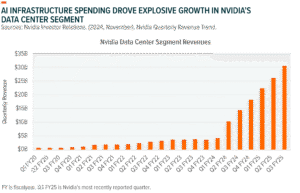
Cost scaling — AI compute is expensive; many builders struggle to maintain margins. Chargebee
-
Copyright & IP risks — content licensing disputes and misuse of copyrighted material are real.
-
Quality & trust — users may distrust AI-generated content unless you build reputation and transparency.
-
Regulation & compliance — laws like the EU AI Act will force disclosures, audits, bias mitigation.
-
Platform gatekeeping — big platforms might restrict or control AI agents or limit distribution. arXiv
How to Get Started (Step-by-Step)
-
Pick a niche where people already pay (e.g. marketing, education, real estate).
-
Prototype a minimal AI service (image generator, summarizer, video tool).
-
Choose a monetization model (subscription, pay-per-use, licensing).
-
Publish on AI marketplaces or your own site.
-
Grow via content + community + SEO.
-
Reinvest revenue into improving the model, UX, and expanding features.
Conclusion
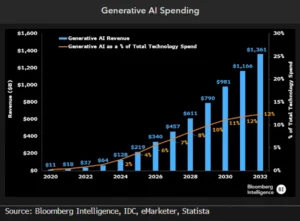
The AI space in 2025 is not just about hype — it’s about creating new income ecosystems. Whether you build microservices, license content, or launch AI personas, the opportunity is there. But success will favor those who combine niche focus, ethical execution, smart monetization, and scaling strategy.